
The Best Marketing for Your Show Is…a Great Show
Written by TMS CEO, Monica Hammond
In an age of ads, algorithms, and endless content, theater makers often feel pressure to “market harder.” More posts. More emails. Bigger budgets.
But here’s the truth seasoned producers know—and emerging theater makers need to hear:
The best marketing for your show is a great show.
Not a clever tagline.
Not a boosted Instagram post.
Not even a five-figure ad spend.
A truly great theatrical experience markets itself. It’s what drives word of mouth, which is the absolutely best (and cheapest) form of marketing.
Plus, great shows tend to get great press and audiences trust earned media more than advertising by a long shot.
Spectacle Is Strategy
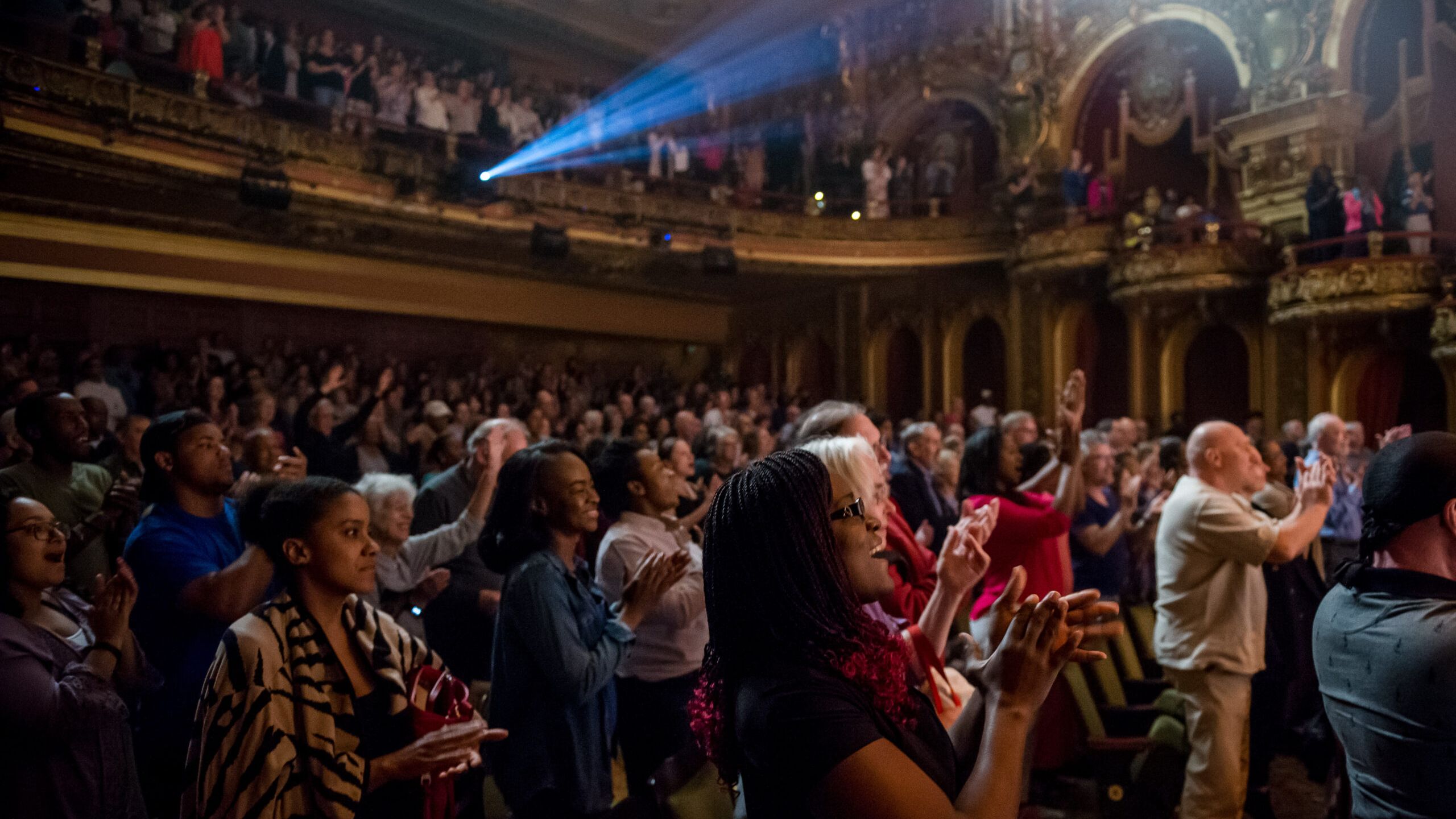
When audiences leave the theater buzzing—emotionally shaken, delighted, surprised, or deeply moved—they don’t need to be convinced to talk about your show. They want to.
Spectacle doesn’t mean expensive. It means intentional, memorable moments that live in the body long after the curtain call.
I’ll never forget when I was in London with Ken Davenport, we saw Andrew Lloyd Webber’s production of Bad Cinderella. There was a moment when the entire audience started rotating around the stage (not the stage rotating) and it absolutely floored me. I was talking about it for weeks!
Now we don’t all need multi million dollar budgets and rotating stages to impress audiences. This can show up in many forms:
- A stunning visual reveal
A set transformation, a lighting cue, a costume moment, or a stage picture that makes people gasp. - Immersive sound and music
A sound design choice that surrounds the audience, or a musical moment that lands like a punch to the chest. - A bold staging choice
Breaking the fourth wall. Unexpected use of space. An entrance that redefines the room. - An emotionally unforgettable beat
A line, silence, or performance so truthful that people sit frozen for a second before applauding.
These are not just artistic decisions.
They are marketing moments—because they are what audiences describe to friends when they say, “You have to see this show.”
Design for the Post-Show Conversation
Great shows don’t end at curtain call. They extend into the lobby, the bar, the subway ride home, and the group chat that night.
The question theater makers should ask is:
“How easy am I making it for my audience to share this experience?”
If people loved your show but don’t know how to talk about it—or don’t have anything visual or tangible to share—you’ve missed an opportunity.
Create a Shareable Moment Outside the Theater
One of the simplest, most effective tools: a step-and-repeat or photo moment tied to the show.
This doesn’t have to be expensive.
Ideas include:
- A backdrop featuring the show title, logo, or key visual
- A quote from the script painted or printed on a wall
- A symbolic prop or scenic element audiences can pose with
- A neon sign or light installation tied to the theme of the show
Add a small sign that says:
“Share your night with us: #YourShowHashtag”
You’re not asking for promotion—you’re inviting participation.
Make Sharing Effortless (Not Awkward)
Audiences are happy to share when the path is clear. Here are additional ways to make that easy:
1. Put the Hashtag Where They’ll See It
Include the show hashtag:
- On the lobby signage
- In the program
- On the ticket stub or digital ticket
- On the curtain call slide or pre-show announcement
If they have to search for it, they won’t use it.
2. Give Them the Words
Not everyone knows how to describe what they just experienced.
Consider:
- A line in the program like:
“If this show moved you, surprised you, or made you think—tell someone tonight.” - Suggested prompts on signage:
“What moment will stay with you?”
“Who do you want to bring back with you?”
You’re helping them frame the story.
3. Encourage Sharing While the Emotion Is High
The best time for sharing is immediately after the show, not the next morning.
Ideas:
- A post-show lobby announcement inviting photos
- Cast members greeting audiences near the photo spot
- Ushers or volunteers gently directing traffic toward the shareable area
The goal is to catch people while they’re still glowing.
4. Extend the Experience Digitally
Give audiences something to connect with after they leave:
- A QR code in the program linking to:
- A behind-the-scenes video
- A playlist inspired by the show
- A short note from the playwright or director
- A follow-up email thanking them for coming and inviting them to share their thoughts
This turns one night into an ongoing relationship.
Word of Mouth Is Built, Not Hoped For
Theater makers often say, “We’re hoping for good word of mouth.”
But word of mouth doesn’t happen by accident.
It happens when:
- The work is bold and emotionally honest
- The experience is designed beyond the stage
- The audience is given permission—and tools—to participate
A great show is the spark.
Thoughtful experience design is the oxygen.
Final Thought
If you focus first on creating spectacular, unforgettable theatrical moments, marketing becomes amplification—not persuasion.
Make something worth talking about.
Then make it incredibly easy to talk about.
That’s how great theater fills seats—one shared experience at a time.
If you have a project you’d like help getting up on a stage, CLICK HERE to apply for our TheaterMakers Mentorship program. Members get access to live Zoom coaching sessions 3 times per week and tons of perks.
