
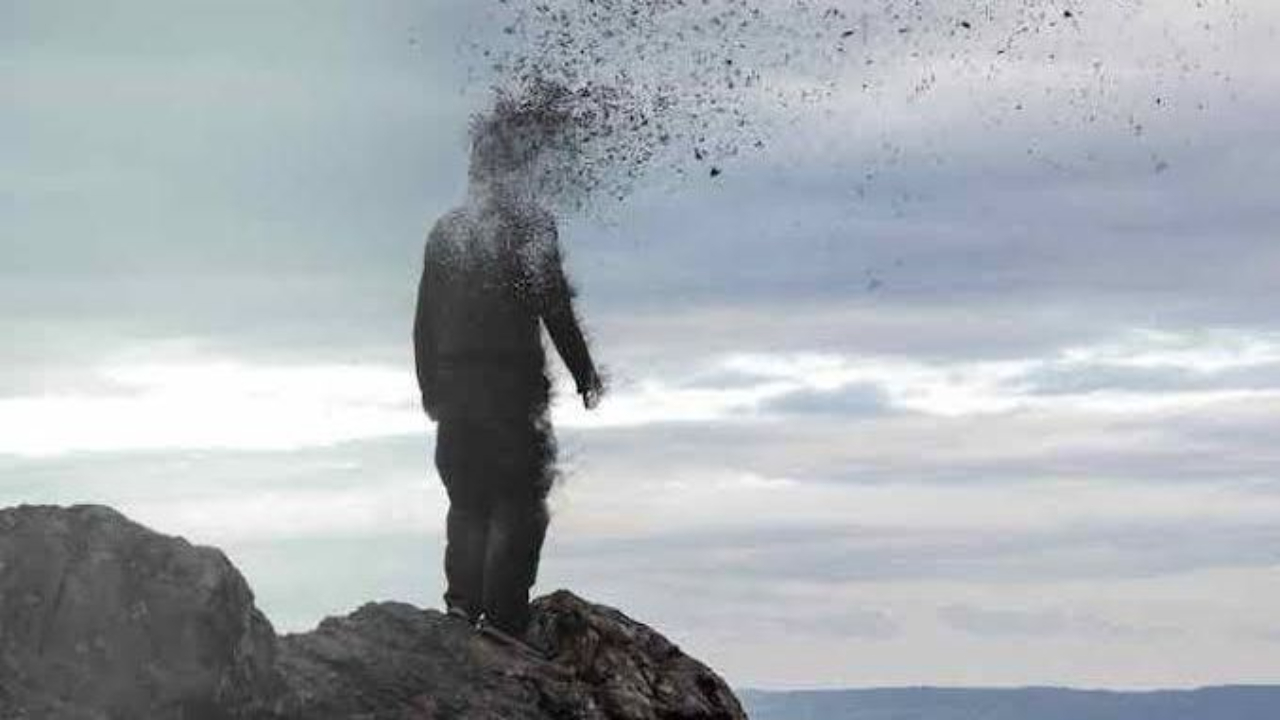
Le Muse Est Mort, Vive Le Muse!
Written by TMS Director of Creative Development & Mentor, Eric Webb
This is another missive inspired by some of the conversation on our TMS Mastermind Slack. I swear that isn’t a shameless plug, I just want to give credit where credit is due (though if you haven’t joined the Mastermind… you really should, it’s awesome - I’d join if I wasn’t already a Mentor…).
A conversation about inspiration, THE MUSE, if you will, and how it relates to prepping our spaces and minds for writing, our routines, etc.
And I have some bad news for you, folks.
The Muse is dead.
Well. More honestly, The Muse never existed.
The Muse, like many things in this world, is a human construct. It is a thing we built up to try and explain that blissful zen flow state of creativity where impulse bypasses consciousness and simply flows forth unmediated, unjudged. When it happens, it is awe-inspiring. Transcendental. Something very easy to ascribe to divine influence due to how otherworldly it feels. I imagine it’s akin to our primordial ancestors seeing lightning for the first time and having no other capacity for explaining than to assume the presence of god.
And we oh so desperately want to believe in these fantasies. We want to believe there’s something we can tap into and allow all of our greatest works to flow forth from. It’s a beautiful idea that puts order to the world and lifts our art to the heights of being worthy of adoration and worship. And The Muse… well The Muse is that interlocutor between the divine artistic spirit and us lowly mortals. Clearly we would never have the capacity to channel such power without being shown the way, without proving ourselves worthy of such a task (are you starting to see what’s so problematic about this paradigm?).
Because in reality, what The Muse has been most useful for is being a scapegoat.
When we’re in a slump. When we don’t like what we’ve done. When we’re facing our Imposter Syndrome. It’s so much easier to blame The Muse. “The Muse has left me,” we cry, and others grimly nod their heads in agreement, silently acknowledging our shared moments of having been ripped from the divine source.
Because it’s easier than blaming ourselves.
Now don’t get me wrong. I’m not saying we should be blaming ANYONE when writing goes awry. But, as with all things in life, success or failure falls on us and how we choose to react to any given situation. And while it might be tough to have to look inside to see what needs work or fixing in our creative routines and practice in order to achieve our goals… the flipside is that we get to rejoice in our SUCCESS. If The Muse is neither to blame nor revere… we’re left only with ourselves.
YOU are the source of your own inspiration and divine moments of clarity. YOU found the connections, chose the words, captured the images… YOU ARE THE MUSE.
And I’ll say here what I shared in our Slack chat: “Give yourself credit for when it clicks. Give yourself grace when it doesn't.”
Le Muse est mort, vive Le Muse.
