
Are New Musicals Dying on Broadway?
Written by Producer & TMS Mentor, Jonathan Hogue
A few weeks ago, The Outsiders announced that it had recouped its $22 million capitalization on Broadway — a rare feat for a new musical, especially in this post-pandemic era.
How rare?
Since 2021, The Outsiders is just the fourth new musical to recoup on Broadway. Out of 47.
The other three?
-
MJ
-
& Juliet
-
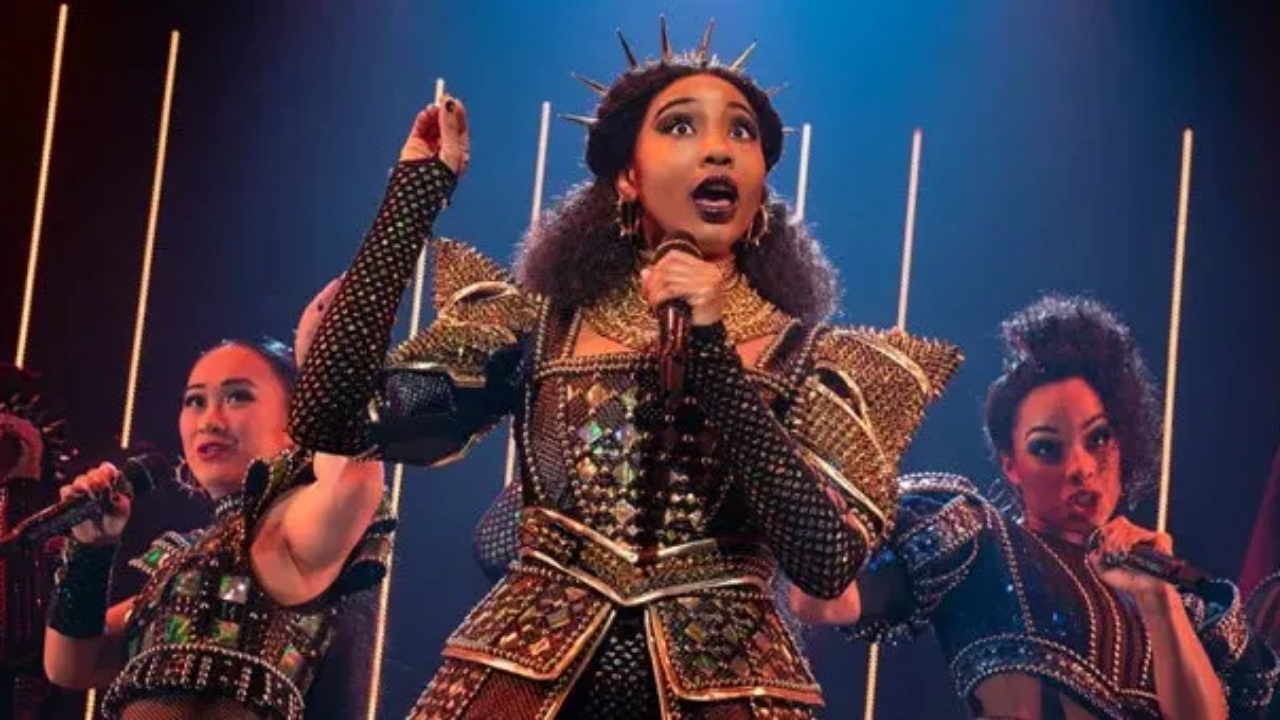
Six
That’s it.
Granted, recoupment statistics are notably stronger for plays and revivals, where productions often rely on limited runs, smaller capitalizations, and star-driven marketing.
But new musicals are the lifeblood of Broadway. They’re the future touring titles, the licensing engines, the cultural exports. So why aren’t more of them working?
Here's a few observations.
1. There are less new musicals on Broadway this season because there are more new musicals thriving. At first glance, the current season feels significantly thinner: only six new musicals competing for Best Musical this year, compared to fourteen last season. It’s tempting to interpret that as investor or producer hesitation.
But there’s another explanation. Last season’s class is still alive.
Shows like Maybe Happy Ending, Death Becomes Her, Buena Vista Social Club, Operation Mincemeat, and Just In Time are still running and posting healthy grosses. Contrast that with this time last year, when only three of the previous season’s new musicals were still standing: The Outsiders, Hell’s Kitchen, and The Great Gatsby (two of these are still running today!).
In the immediate post-shutdown window, Broadway had space. The pandemic cleared out many long-running shows, and new musicals rushed in to refill theaters. Many couldn’t sustain themselves due to the turbulent economics of a recovering market. Now, the replenishment phase is stabilizing. Fewer openings may not signal fear — it may signal durability.
2. The “Big Broadway Musical” Isn’t Dead. Every season, several large-scale new musicals arrive with massive capitalization and even larger expectations. And every season, some close quickly, reinforcing the narrative that “big musicals don’t work anymore.”
But look at the four that have recouped. What do they share?
Spectacle.
Audiences don’t just want soaring music and heartfelt storytelling. They want a theatrical event.
Six is a pop concert in Shakespearean garb. & Juliet is maximalist design with infectious choreography set to hit songs. MJ brings Michael's iconic arena concerts to life. The Outsiders stages a cinematic rain fight that has become instantly iconic.
In the TikTok era, visuals sell. A moment that can circulate online is marketing gold. The shows thriving in this market are the ones that deliver a sensory feast — something audiences want to witness in person.
The spectacle doesn’t replace story. But it amplifies the live experience.
3. It’s Not Just About IP — It’s About Trust. There’s a prevailing assumption that only familiar IP survives. And yes, three of the four recouped shows have recognizable foundations: pop catalogs, global music icons, a beloved novel.
But that theory doesn’t fully explain Six. Nor does it explain the ongoing success of Maybe Happy Ending or Operation Mincemeat.
The common thread isn’t just IP. It’s trust.
Six built a global following through its album and social media presence before many Americans saw it live. Maybe Happy Ending has been described as a Pixar-like theatrical experience — emotionally accessible, visually imaginative, and widely appealing. Operation Mincemeat transferred with a passionate London fanbase and strong word-of-mouth credibility.
The strongest new musicals pair something familiar with something surprising. They hook audiences with a recognizable entry point, and then exceed expectations.
4. The Show Is the Star. Believe it or not, the most successful new musicals are not star-driven.
Plays and revivals can thrive on limited runs featuring major film and television names. But new musicals require longevity. They need to survive cast changes, replacements, and multi-year runs.
None of the four recouped new musicals depended on pre-existing celebrity leads to sell tickets. Instead, they made the show itself the attraction. And that kind of brand durability matters.
A star-studded revival may struggle when its original cast departs. But a show like Six or The Outsiders is brand-forward. The experience is the product. That makes the business model far more sustainable.
5. Cross-Generational Appeal Is Essential. Broadway cannot survive on one demographic. All four recouped new musicals have passionate under-40 audiences. But importantly, they also appeal beyond that group. They’re accessible enough for families, teens, tourists, and longtime theatergoers alike.
Youth engagement does two critical things:
-
It fills seats.
-
It keeps the show culturally visible.
Shows that fail to attract younger audiences may open well but struggle to maintain relevance long enough to become must-see tourist events. Broadway needs energy from the younger generations as much as loyalty from the older.
Predicting Broadway ticket buyers has always been a elusive task. The market still produces unexpected hits and shocking flops every single season.
But if the past four years have taught us anything, it’s this:
The American musical isn’t fading — it’s adapting.
If producers continue responding to cultural shifts while protecting the theatrical ambition that fuels our creative industry, I can't wait to see what shows become the hits of this era ten years from now. My hope is that by 2036, we can look back on this era not as a contraction — but as a transformation.
The next Rent, the next Wicked, the next Book of Mormon, the next Hamilton... they could all be just a few years away. Or maybe they're just about to open this season!
